

Rideshare Accidents: Who’s Liable — Driver, Company, or Someone Else?
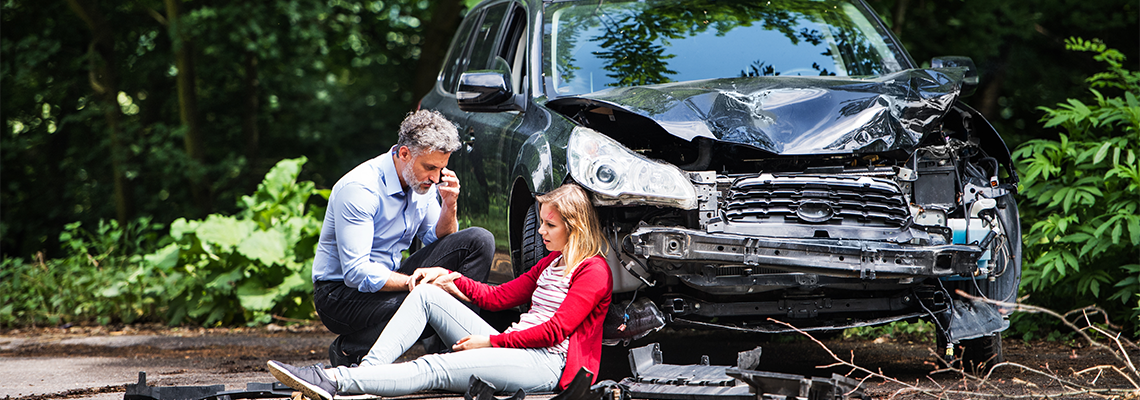
Stepping into an Uber or Lyft is supposed to be a convenient way to get across town, head to the airport, or enjoy a night out without worrying about parking. When a routine ride suddenly turns into a violent collision, the immediate aftermath brings physical pain, emotional shock, and an influx of questions about what comes next.
Dealing with injuries, vehicle damage, and medical bills can quickly interrupt your life, leaving you to wonder how you’ll recover your losses. During these difficult times, you deserve compassionate support and a clear path toward holding the responsible parties accountable for their choices.
We know that recovering from a crash involves far more than just healing physical wounds; it requires addressing the financial strain that threatens your household stability. At Smid Law, we work closely with clients to lift the burden of fighting multi-billion-dollar corporations so you can focus entirely on your health.
Our dedicated attorneys represent injured people throughout Indianapolis, Fishers, Carmel, Noblesville, Zionsville, and the surrounding areas of Indiana, including both Hamilton County and Marion County. Reach out to us today to schedule a consultation and learn how we can protect your interests.
The App Insurance Periods Determine Corporate Coverage
When a collision occurs, determining which insurance policy applies depends heavily on what the driver was doing at the exact moment of impact. Rideshare corporations categorize their driver activity into specific operational periods, which dictate the level of financial coverage available to victims.
If the driver is completely offline and using the vehicle for personal errands, corporate policies don’t apply. A personal injury lawyer can look at the digital timestamps from the rideshare platform to identify the active insurance window.
The level of available coverage shifts dramatically based on these specific phases:
The driver is offline: The driver's personal auto insurance policy is solely responsible for any damages caused during this time.
The app is open while waiting for a request: The rideshare company provides contingent liability coverage if the driver's personal policy denies the claim. This typically includes up to $50,000 per person for bodily injury and $25,000 for property damage.
A ride request is accepted, or a passenger is in the car: The primary corporate liability policy activates, offering up to $1,000,000 in coverage for third-party liability, uninsured motorists, and underinsured motorists.
Securing a fair payout requires confirming exactly which phase was active at the time of the crash. Insurance adjusters frequently try to argue that a driver was offline or between rides to minimize their financial exposure. A personal injury lawyer can subpoena the digital records from Uber or Lyft to prove the exact status of the vehicle and protect your right to full compensation.
The Independent Contractor Defense Shields Corporate Assets
Rideshare companies intentionally structure their business models to distance themselves from direct liability for their drivers' actions. By classifying drivers as independent contractors rather than traditional employees, these tech platforms seek to avoid the legal principle of vicarious liability.
A personal injury lawyer can investigate the driver's background to determine whether the platform ignored critical warning signs during onboarding. Examples of corporate negligence include:
Failing to perform proper background checks: The platform allowed an individual with a history of reckless driving or criminal behavior to operate on the network.
Ignoring ongoing safety complaints: The company received multiple passenger reports about a driver's unsafe habits, but failed to deactivate the account.
Permitting poorly maintained vehicles: The platform failed to enforce basic vehicle safety inspections, allowing a car with bald tires or faulty brakes to carry passengers.
Uncovering corporate negligence requires an experienced personal injury lawyer who knows how to request internal hiring files and communication logs. When we find evidence that a company cutting corners contributed to your injuries, we develop a strategy to hold it directly accountable.
Third-Party Drivers Share Fault for Multi-Vehicle Crashes
Not every rideshare accident is caused by the individual operating the Uber or Lyft vehicle. In many situations, another motorist on the road runs a red light, tailgates, or is distracted by a phone, striking the vehicle you’re riding in.
A personal injury lawyer can collect the necessary documentation to establish exactly who caused the initial impact. Essential pieces of evidence for your claim include:
Official police accident reports: The responding officer's notes, citations issued, and initial determinations of fault at the scene.
High-definition traffic camera footage: Video evidence from nearby intersection cameras or business security systems that captured the crash.
Statements from unbiased eyewitnesses: Accounts by pedestrians or other motorists who witnessed the events from a clear vantage point.
When multiple drivers share a percentage of the fault, Indiana's comparative fault rules come into play to distribute liability. A personal injury lawyer works to make sure that the insurance adjusters don’t unfairly reduce your settlement based on corporate finger-pointing.
We handle the communication with all involved auto insurers, so you don’t have to handle the stress of conflicting stories.
Compassionate Support From a Dedicated Personal Injury Lawyer
Rebuilding your life after a severe rideshare collision requires a thorough approach that addresses every layer of your physical and financial losses. Trying to balance physical therapy appointments while answering calls from aggressive insurance adjusters can slow down your healing process.
At Smid Law, we believe that real people deserve real solutions, especially when facing powerful corporate entities and insurance networks. Our goal is to handle the legal details of your claim so you can focus completely on your physical and emotional recovery.
Our attorneys proudly protect injury victims throughout Indianapolis, Fishers, Carmel, Noblesville, Zionsville, and the surrounding areas of Indiana, including both Hamilton County and Marion County. Reach out to us today to discuss your options and take the first step toward reclaiming your future.